Nutrient-dense whole foods including salmon, lentils, and vegetables

Understanding Metabolic Changes and Energy Regulation After Age 40

Educational content only. No promises of outcomes.

Age-Related Decline in Resting Metabolic Rate

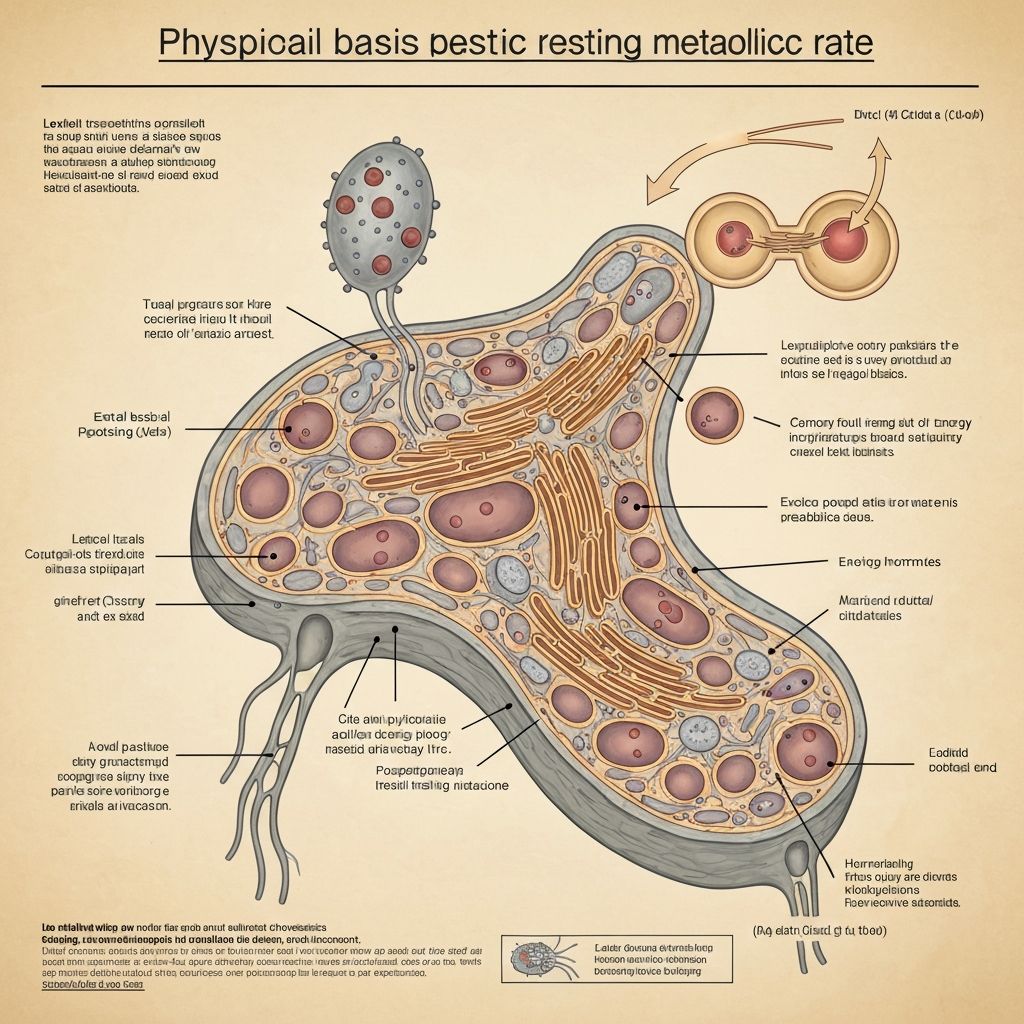
After age 40, resting metabolic rate—the energy your body expends at rest—typically declines gradually. This physiological shift reflects natural changes in body composition and cellular energy production pathways. The decline is not uniform across all individuals and is influenced by multiple factors including activity level, muscle mass distribution, and hormonal changes.

Understanding this mechanism provides context for why energy balance shifts occur during midlife without implying any specific outcome or reversibility. Research consistently documents this pattern across populations, establishing it as a normal physiological observation rather than a condition requiring intervention.
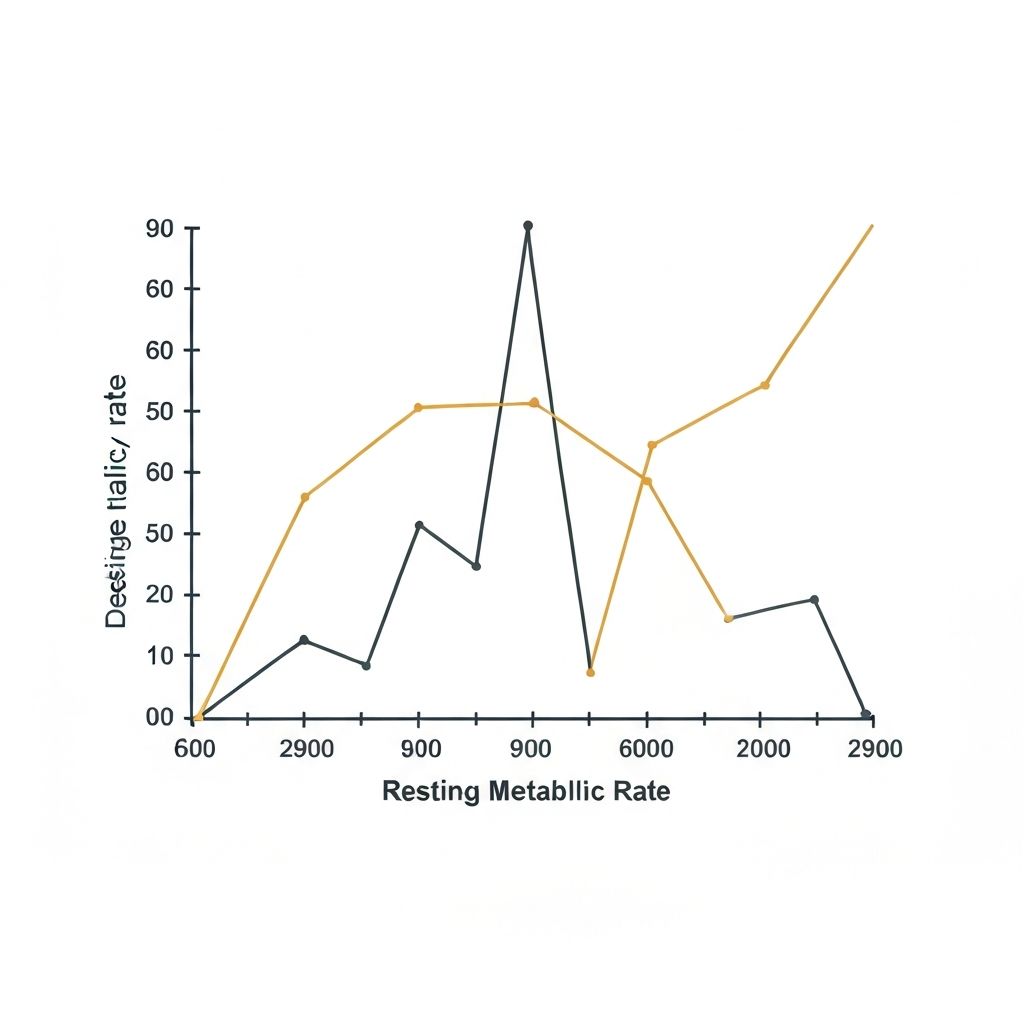
Scientific illustration of resting metabolic rate decline across decades

Changes in Lean Mass and Muscle Preservation

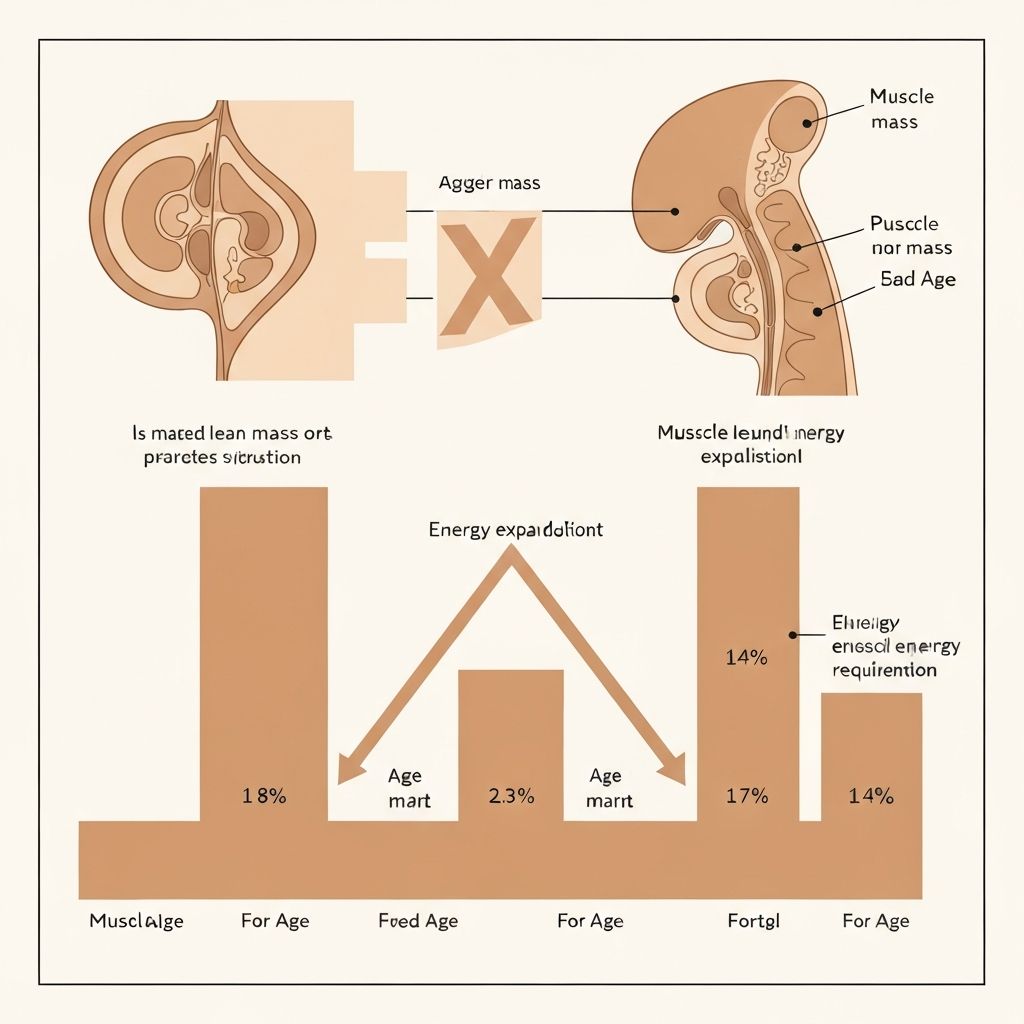
Lean muscle tissue is metabolically active and contributes significantly to total daily energy expenditure. After 40, many individuals experience gradual declines in lean mass—a process known as sarcopenia. This shift has direct implications for energy regulation because muscle tissue burns more calories at rest than adipose tissue.

The relationship between lean mass and metabolic rate is well-documented in longitudinal studies. Dietary protein and resistance activity play recognized roles in muscle preservation during midlife. The extent of lean mass changes varies considerably between individuals based on genetics, activity patterns, and overall lifestyle factors.

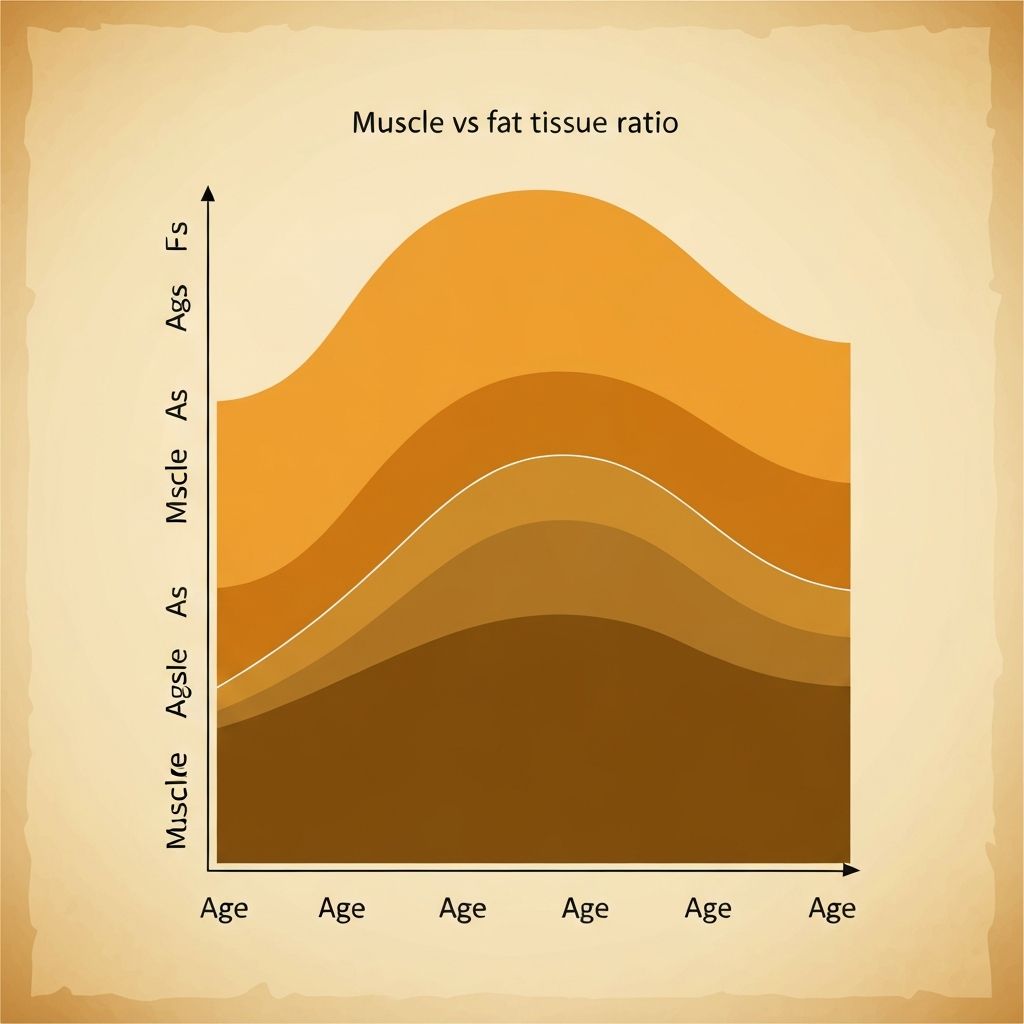
Medical illustration comparing muscle and fat tissue ratio changes

Anabolic Hormone Profile Shifts

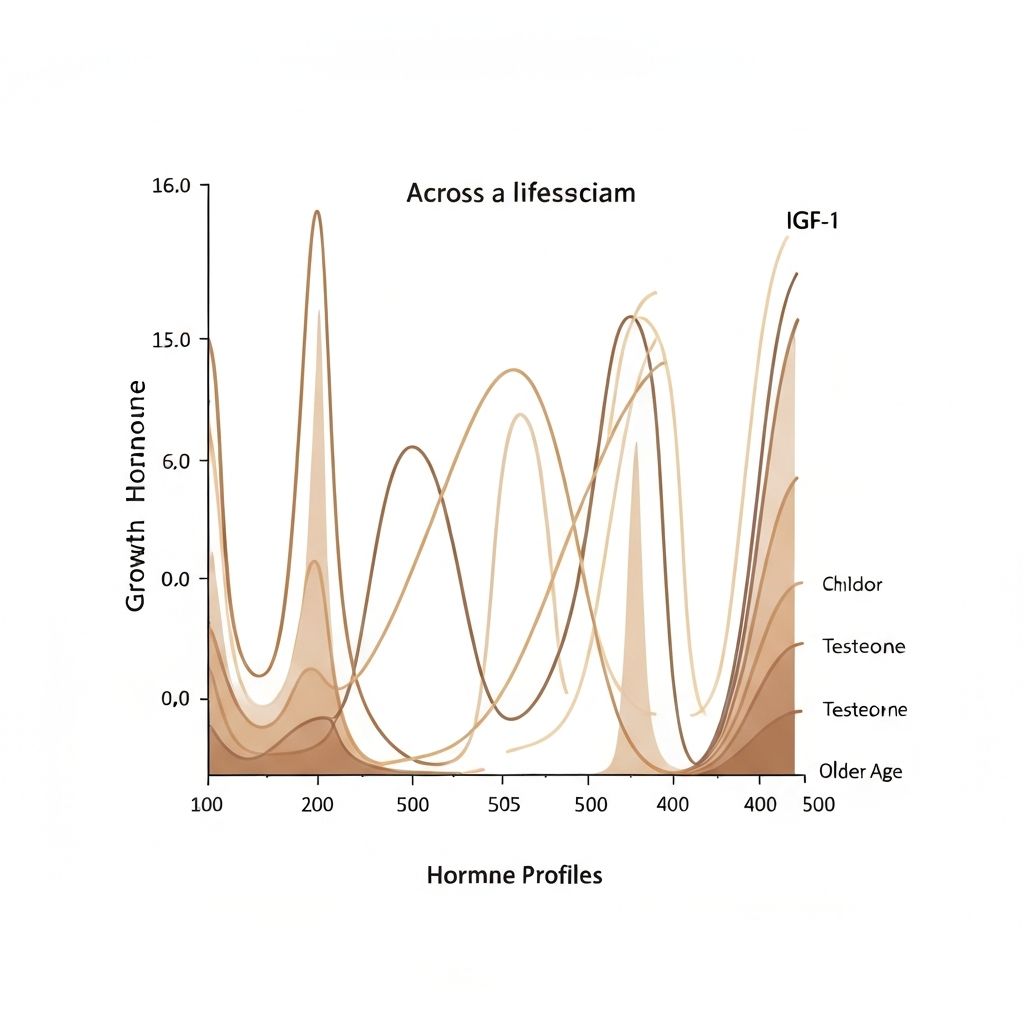
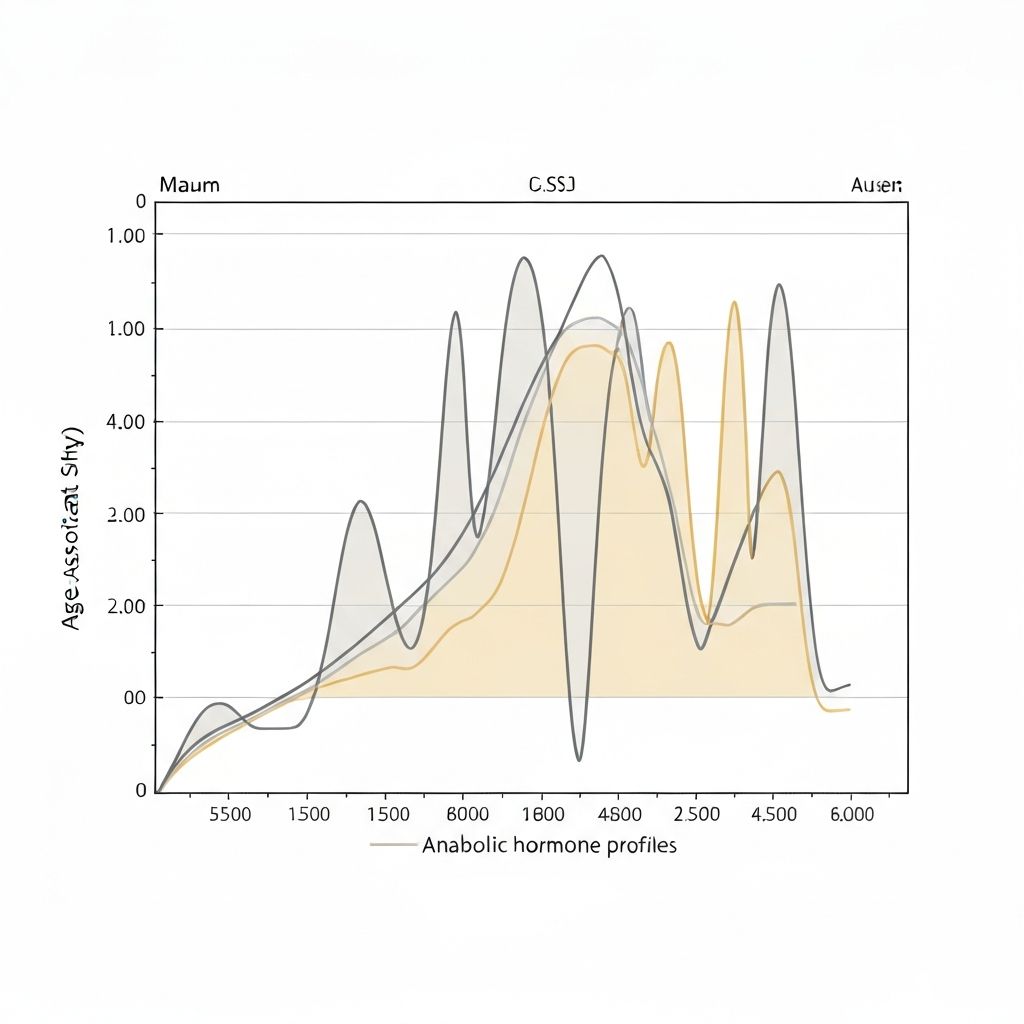
Growth hormone, testosterone, and insulin-like growth factor 1 (IGF-1) all show age-associated patterns of decline after 40. These hormones regulate protein synthesis, lean mass maintenance, and energy utilization. The gradual shift in hormone concentrations creates a physiological context in which muscle preservation becomes relatively more challenging.

Research on hormonal changes in midlife provides valuable context for understanding metabolic regulation during this life stage. Individual variability in hormone profiles is substantial, reflecting differences in genetics, health status, and lifestyle factors. This information helps explain observed patterns without making claims about reversibility or intervention effectiveness.

Scientific graph showing hormone profile changes across lifespan

Visceral Adipose Tissue Distribution Patterns

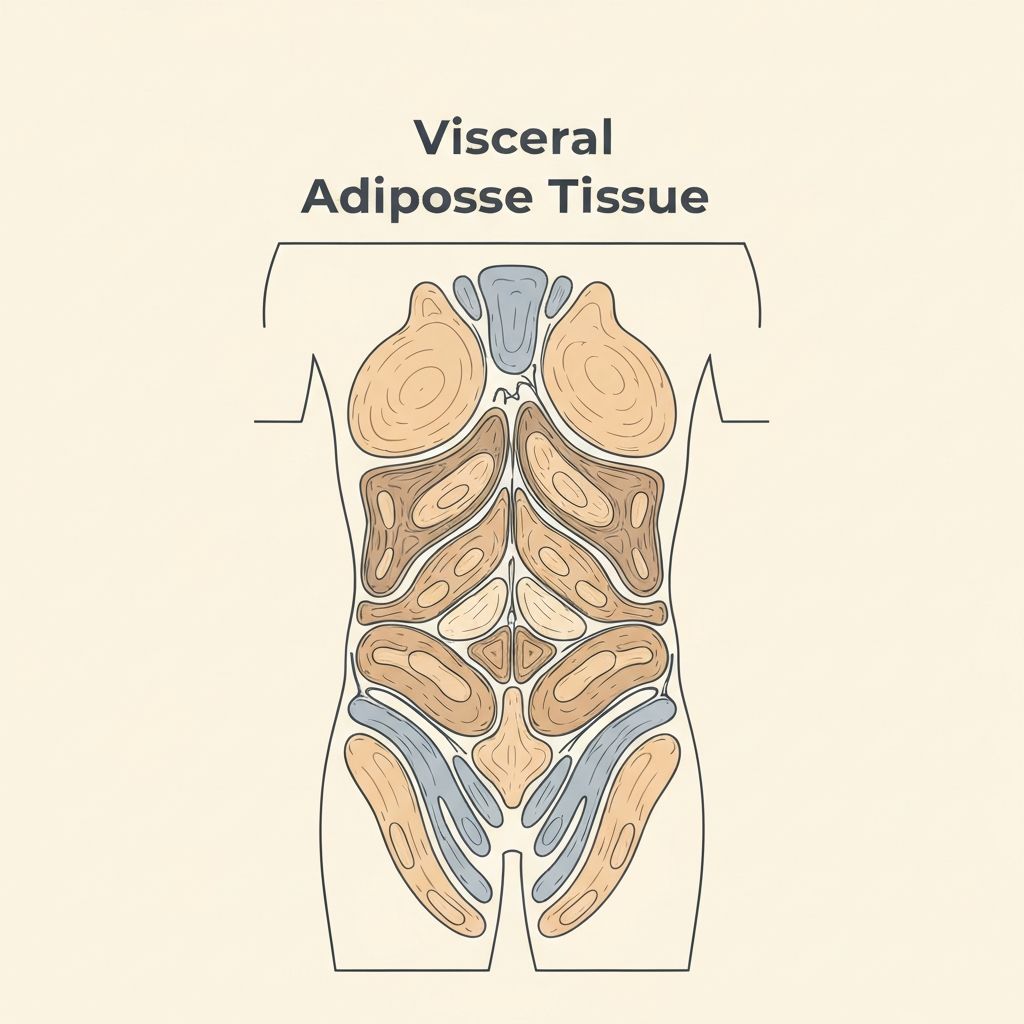
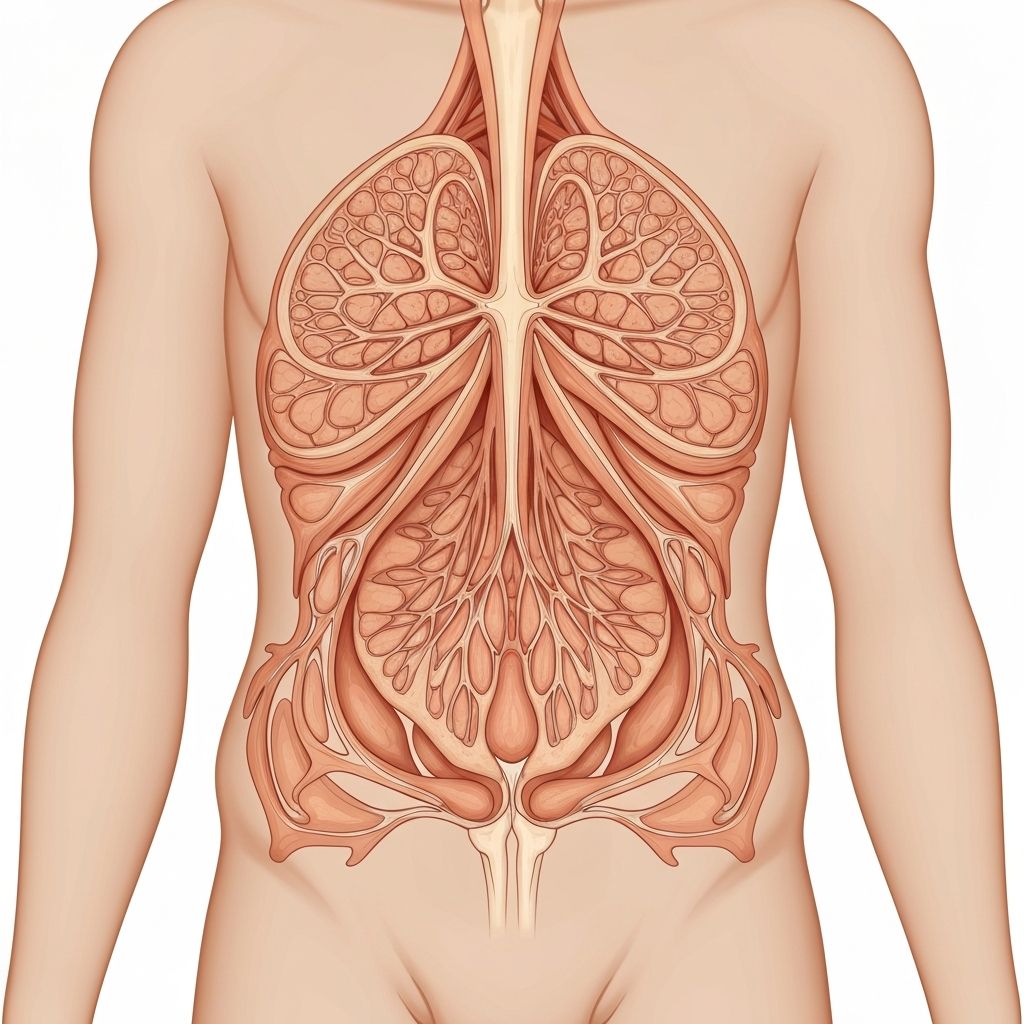
After age 40, adipose tissue distribution shifts, with increased accumulation of visceral fat (fat around internal organs) relative to subcutaneous fat. This redistribution is documented consistently across populations and reflects changes in hormonal signalling, particularly declining estrogen in women and altered androgen patterns in both sexes.

Visceral adipose tissue has different metabolic properties and inflammatory profiles compared to subcutaneous fat. Understanding this distribution pattern provides scientific context for body composition changes observed during midlife. The magnitude of this shift varies based on individual genetics, lifestyle, and metabolic capacity.

Medical illustration of visceral adipose tissue distribution

Insulin Sensitivity Alterations

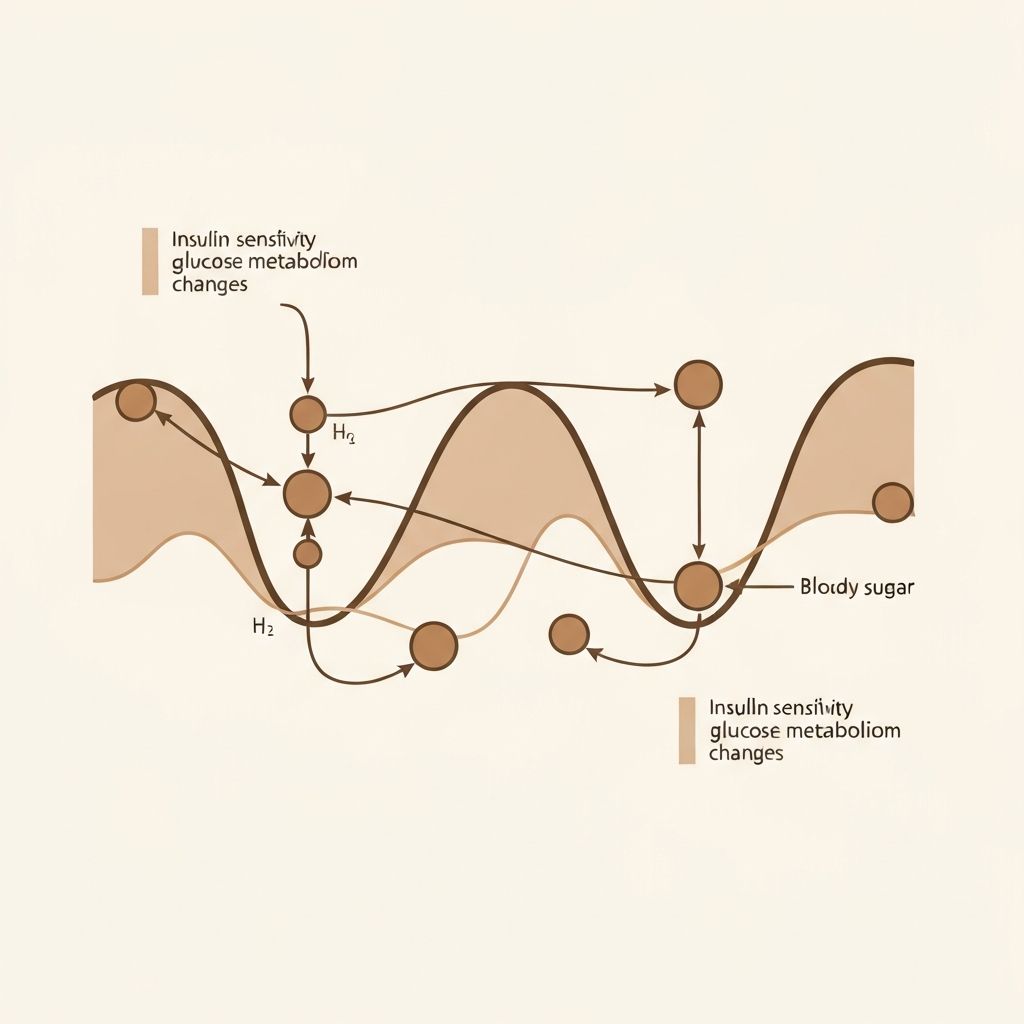
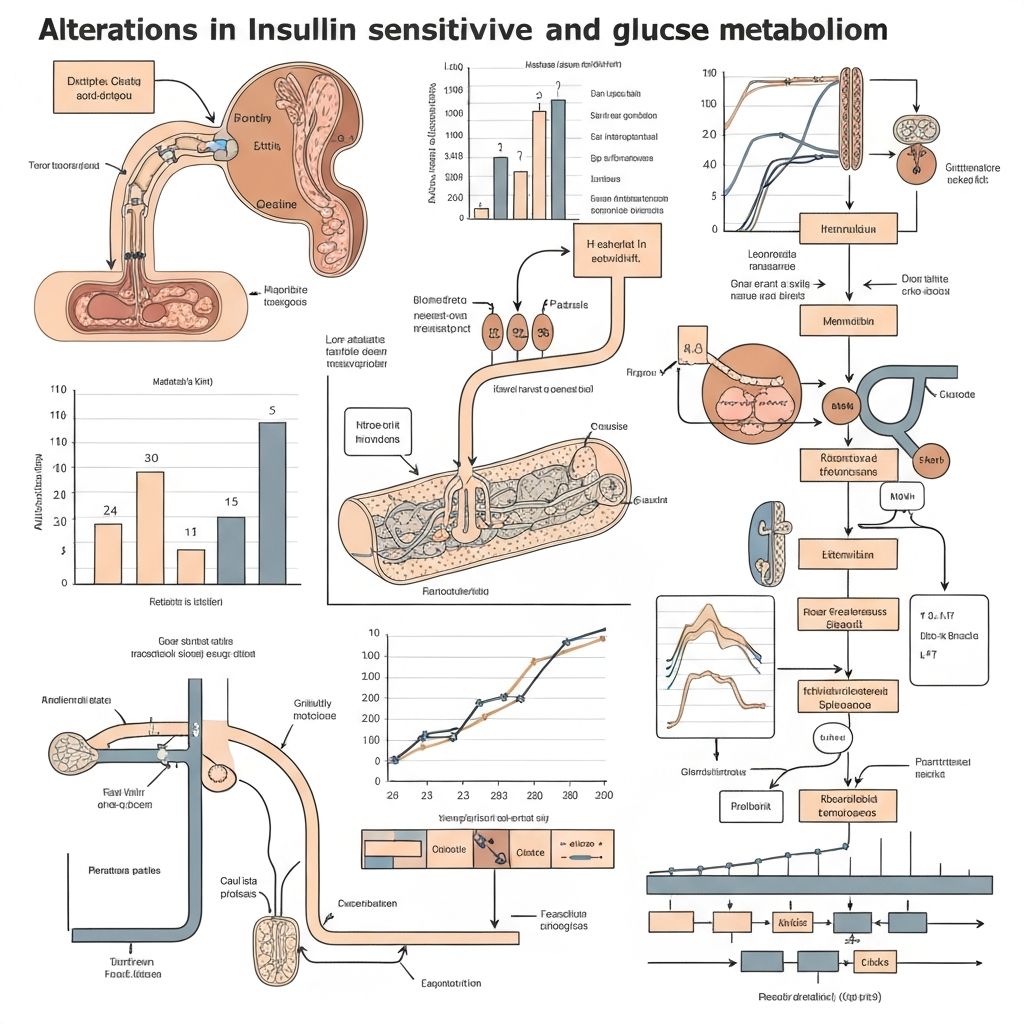
Insulin sensitivity—the body's ability to respond efficiently to insulin and regulate blood glucose—changes with age. After 40, many individuals show gradual declines in insulin sensitivity, contributing to shifts in glucose handling and energy storage patterns. This change reflects both physiological aging and the cumulative effects of lifestyle factors.

Glucose metabolism and insulin signalling are complex, multifactorial systems influenced by muscle mass, physical activity, dietary patterns, sleep quality, and stress levels. Longitudinal studies document these age-associated changes across diverse populations, establishing them as normal physiological observations rather than pathological conditions.

Scientific illustration of insulin sensitivity changes

Role of Dietary Protein in Midlife

Dietary protein supports muscle preservation by providing amino acids necessary for protein synthesis. During periods of lower energy expenditure or reduced muscle mass, adequate protein intake becomes increasingly relevant for maintaining lean tissue. Research documents consistent associations between protein intake and lean mass preservation in midlife populations.

The optimal protein intake varies based on individual factors including activity level, current muscle mass, and metabolic capacity. General observations from nutritional research suggest that protein distribution throughout the day may optimize muscle synthesis signalling. Whole food sources of protein—such as fish, legumes, poultry, eggs, and dairy—provide additional micronutrients and phytocompounds with broader nutritional value.

Fibre and Nutrient Density in Satiety Context

Fibre and nutrient density influence satiety—the feeling of fullness and satisfaction after eating. In states of lower energy turnover (reduced overall calorie expenditure), adequate fibre and nutrient-dense food selection help maintain nutritional adequacy while supporting appetite regulation. Foods rich in fibre and micronutrients per calorie include vegetables, whole grains, legumes, nuts, and seeds.

Nutrient density becomes increasingly important during midlife because absolute nutrient requirements remain similar or increase while energy expenditure may decline. Adequate intake of vitamins, minerals, and phytonutrients supports metabolic function, immune regulation, and overall health maintenance. Individual preferences and digestive tolerance vary considerably, making personalized dietary approaches relevant for long-term adherence.

Longitudinal Cohort Observations on Body Composition Trends

Long-term studies tracking individuals over decades have documented consistent patterns in body composition changes after age 40. These observations describe population-level trends in lean mass decline, fat mass increase, and metabolic rate changes. Individual responses vary substantially, with some people showing minimal change while others experience more pronounced shifts.

Longitudinal research provides valuable context for understanding the natural range of physiological variation during midlife. Factors explaining individual differences include genetics (contributing 30-40% of metabolic variation), physical activity patterns, dietary habits, sleep quality, stress management, and existing health status. This research emphasizes the complexity of metabolic regulation and the insufficient evidence base for simple, universally applicable interventions.

Links to Detailed Metabolic Explorations

The following articles provide deeper exploration of specific physiological mechanisms and research contexts related to midlife metabolism and energy regulation.

Scientific diagram of resting metabolic rate physiology

Physiological Basis of Resting Metabolic Rate Decline After 40

Detailed exploration of cellular and hormonal mechanisms underlying metabolic rate changes.

Read article →
Medical illustration of lean mass changes

Changes in Lean Mass and Their Impact on Energy Expenditure

In-depth examination of muscle tissue changes and metabolic implications.

Read article →
Graph showing hormone profile changes

Age-Associated Shifts in Anabolic Hormone Profiles

Comprehensive overview of growth hormone, testosterone, and IGF-1 changes across decades.

Read article →
Anatomical diagram of fat distribution

Midlife Patterns of Visceral Adipose Tissue Distribution

Exploration of regional fat redistribution patterns and metabolic characteristics.

Read article →
Scientific illustration of glucose metabolism

Alterations in Insulin Sensitivity and Glucose Metabolism

Detailed analysis of glucose handling changes and insulin signalling shifts.

Read article →
Longitudinal study data visualization

Observational Data on Body Composition Trends After Age 40

Summary of population-level research on midlife body composition patterns.

Read article →

Frequently Asked Questions

Metabolic decline after 40 results from multiple interacting factors: gradual loss of lean muscle mass, changes in hormone profiles (lower growth hormone, testosterone, and IGF-1), reduced physical activity, and cellular-level changes in energy production efficiency. These changes occur naturally across populations, reflecting normal physiological aging rather than a pathological process.

Lean mass includes muscle tissue, bone, organs, and water. Muscle tissue is metabolically active, burning calories even at rest. After 40, many people experience gradual lean mass loss (sarcopenia), which reduces total daily energy expenditure. Maintaining lean mass through resistance activity and adequate protein becomes increasingly relevant for preserving metabolic capacity.

Hormone levels naturally decline with age as part of normal physiological aging. While certain lifestyle factors (resistance training, adequate sleep, stress management) support hormone function, they do not reverse age-associated changes. Pharmaceutical hormone replacement carries risks and benefits that require individual medical assessment, which is beyond the scope of this educational resource.

Visceral fat is stored around internal organs and has different metabolic properties than subcutaneous fat (under the skin). After 40, fat redistribution toward visceral depots occurs due to hormonal changes, particularly declining estrogen in women and altered androgen patterns. This redistribution is documented consistently across populations and reflects normal aging physiology.

Insulin sensitivity—the efficiency with which cells respond to insulin—gradually declines in many individuals after 40. This reflects changes in muscle mass, cellular signalling, hormonal patterns, and accumulated effects of lifestyle factors. Physical activity, dietary patterns, sleep quality, and stress management all influence insulin sensitivity, though individual response variation is substantial.

General nutritional guidance suggests that older adults maintain adequate protein intake to support muscle preservation. Typical recommendations range from 1.0-1.2 grams per kilogram of body weight daily, though individual needs vary based on activity level, current muscle mass, and metabolic status. Distributing protein throughout the day optimizes muscle synthesis signalling. Personalized assessment by a qualified nutritionist addresses individual circumstances.

Physical activity supports metabolic health through multiple mechanisms: preserving lean muscle mass, maintaining insulin sensitivity, supporting hormone function, and improving cardiovascular fitness. Both resistance training and aerobic activity provide benefits. Regular activity appears more important than intensity alone for long-term metabolic support. Activity patterns should align with individual preferences, abilities, and health status.

Adequate fibre intake supports digestive health, satiety, microbiome function, and chronic disease prevention across all life stages, including midlife. After 40, when energy expenditure may be lower, fibre-rich, nutrient-dense foods help maintain nutritional adequacy while supporting appetite regulation. Whole food sources (vegetables, fruits, legumes, whole grains) provide both fibre and associated micronutrients.

No. Metabolism does not "break," but rather shifts gradually in response to natural physiological aging and lifestyle factors. These changes are normal, expected, and vary considerably between individuals. The term "broken" implies pathology, which is inaccurate. Understanding these changes as normal physiological processes helps frame them as manageable shifts rather than failures of bodily function.

Yes. Sleep quality and duration influence hormone regulation, glucose metabolism, and appetite hormones (leptin and ghrelin). Chronic stress elevates cortisol, which can affect body composition and metabolic rate. Both sleep and stress management support overall metabolic health. Individual responses to sleep and stress interventions vary, making personalized approaches important.

No. Individual variation in metabolic aging is substantial. Genetics account for 30-40% of metabolic variation, while lifestyle factors (activity, diet, sleep, stress) and existing health status contribute significantly. Some people experience minimal metabolic change after 40, while others notice more pronounced shifts. This variation is normal and reflects the complexity of human physiology.

Yes. Individual metabolic assessments, medical history, and current health status warrant consultation with qualified healthcare professionals. This educational resource provides context and general information, but personalized recommendations require professional evaluation. Registered dietitians, physicians, and certified health professionals can provide guidance tailored to your circumstances.

Continue Exploring Age-Related Physiological Changes

Visit our blog for detailed articles examining specific aspects of midlife metabolism and energy regulation.

Explore Articles

Educational Content Statement

Educational content only. No promises of outcomes.

The materials on this website are provided purely for informational and educational purposes. They do not constitute medical, nutritional, or professional health advice. Individual metabolic changes, responses to dietary modifications, and health outcomes vary considerably based on genetics, lifestyle, and existing health status. No specific outcomes should be expected from the information provided. Consult qualified healthcare professionals—physicians, registered dietitians, or certified specialists—before making significant dietary or lifestyle changes, particularly if you have existing health conditions.